Understanding Nauru Citizenship: Paths and Implications
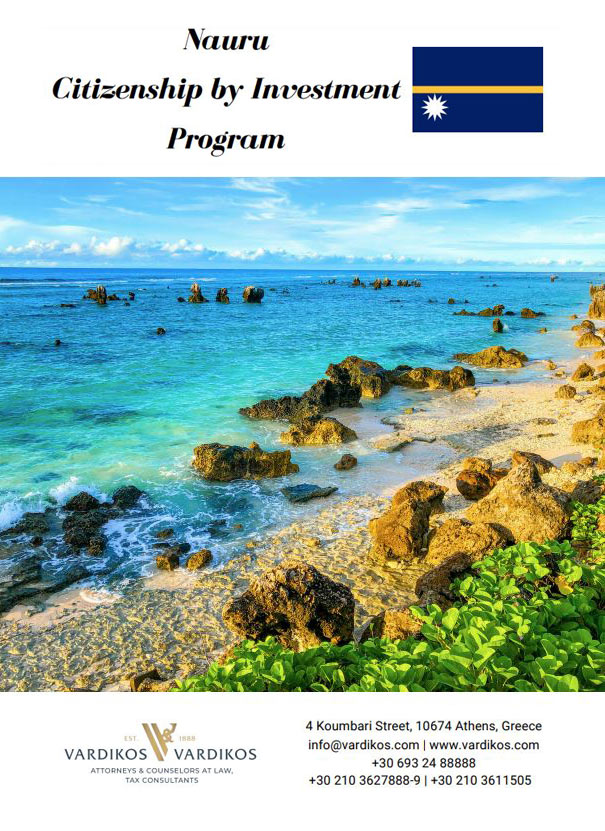
Nauru, a small island nation in the Pacific Ocean, has an intriguing history and a unique approach to citizenship. Located halfway between Australia and Hawaii, it is known not just for its charming landscapes but also for its complex legal frameworks. For many, the question of citizenship in Nauru arises from a blend of interest in its serene environment and the opportunities it presents. In this article, we will delve into the various facets of Nauru citizenship, covering eligibility, application processes, and implications for residents and prospective citizens. If you wish to explore more about this topic, check out Nauru Citizenship www.naurucitizenship.net/.
Historical Context of Nauru Citizenship
The history of citizenship in Nauru is rooted in its colonial past. Initially governed by Germany and later by Australia, the citizenship laws evolved, reflecting the shifts in governance. After gaining independence in 1968, Nauru established its citizenship laws, allowing individuals born on the island or to Nauruan parents to acquire citizenship. This principle, known as jus sanguinis (right of blood), remains a cornerstone of Nauru’s citizenship policy.
Eligibility for Nauru Citizenship
To be eligible for Nauruan citizenship, individuals must meet specific criteria. Primarily, citizenship is granted to those born in Nauru or to Nauruan parents. However, the law also allows for naturalization under certain conditions. A foreign national can apply for citizenship after residing in Nauru for a minimum period, typically ten years, and demonstrating a commitment to the country’s culture and language.
Additionally, applicants must possess a valid work permit and demonstrate sufficient knowledge of the Nauruan language. A clean criminal record and financial stability are also necessary to ensure that the potential citizen can contribute positively to society.
The Application Process
The procedure for applying for Nauru citizenship can be intricate and requires careful preparation. First and foremost, applicants must gather essential documents, including proof of residence, identity, and employment. Submitting a completed application form to the Nauru Immigration Office is the initial step. This office is responsible for reviewing applications and determining eligibility.
After submitting the application, there may be a waiting period during which the authorities conduct background checks and evaluate the applicant’s ties to the Nauruan community. An interview may also be required to assess the applicant’s language skills and motivation for seeking citizenship. It is advisable to seek legal counsel or assistance from experts familiar with Nauru’s immigration laws to navigate this process effectively.
Rights and Responsibilities of Nauruan Citizens
Once individuals obtain Nauru citizenship, they gain various rights and responsibilities. Nauruan citizens have the right to live, work, and study without restriction within the country. They are also entitled to participate in the political process, including voting in elections and running for public office.
However, with these rights come responsibilities. Citizens are expected to respect the laws of Nauru, contribute to the welfare of the community, and pay taxes. Additionally, Nauru has unique cultural practices that citizens are encouraged to uphold, ensuring the preservation of its heritage and traditions.
Dual Citizenship in Nauru
As of now, Nauru does not permit dual citizenship. This means that individuals who acquire citizenship in Nauru may have to renounce their previous citizenship. This aspect can significantly impact those considering Nauru as a second home or retirement destination. Factors such as family ties, property ownership, and business investments in their home country often play a crucial role in the decision-making process for prospective citizens.
The Role of Immigration in Nauru’s Economy
The economy of Nauru has historically relied on phosphate mining, but with dwindling resources, the government is now exploring alternative economic opportunities. Immigration plays a vital role in this transition. Skilled workers and investors are increasingly welcomed to help diversify the economy. Consequently, the citizenship application process can be influenced by the nation’s economic needs, making it essential for potential applicants to stay informed about current immigration policies and labor demands.
Challenges in the Citizenship Process
Despite the appeal of living in Nauru, the citizenship application process can be fraught with challenges. Bureaucratic hurdles, prolonged waiting times, and the emotional toll of relocation can deter many applicants. Language barriers and cultural differences may also pose obstacles for new applicants unfamiliar with Nauru’s customs and practices. Thus, fostering connections within the local community can ease the transition and enhance one’s chances of successfully obtaining citizenship.
Conclusion
Nauru offers a unique opportunity for those interested in its citizenship. Understanding the historical context, eligibility criteria, and application process is crucial for prospective citizens. While Nauru presents appealing aspects such as its natural beauty and emerging economic opportunities, it is essential to acknowledge the associated responsibilities and challenges.
As with any major decision involving migration and citizenship, thorough research and consideratio
n of personal circumstances can lead to a successful application. For those ready to embark on this journey, Nauru may provide a fulfilling new chapter in their lives.